
Aggressive & Reactive Dog Training in Clarksville, TN
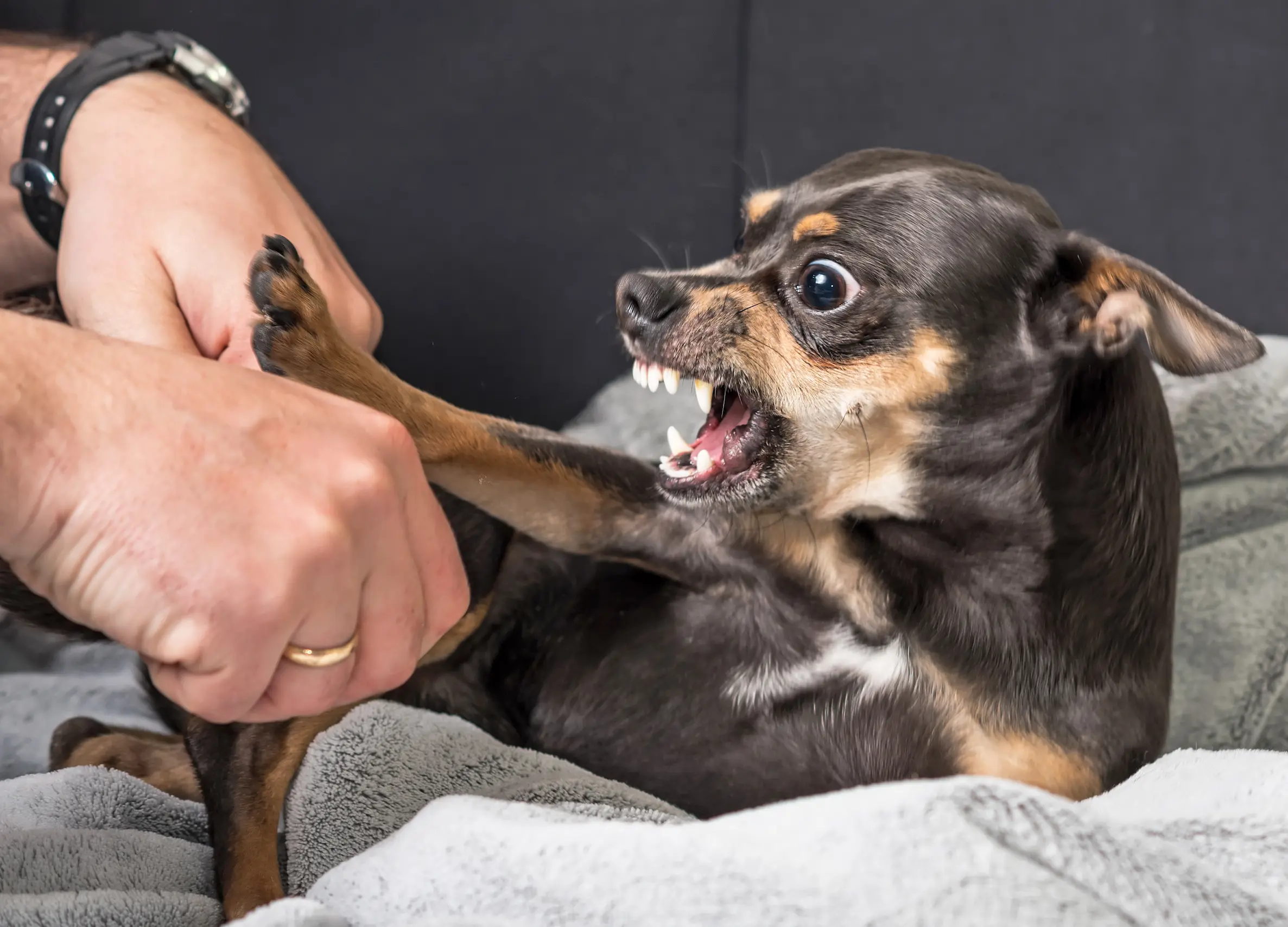
Your dog growled at a family member. Lunged at another dog. Maybe even bit someone. You're scared. You're embarrassed. Someone told you to put your dog down. But you love this dog—and you're looking for another way. We can help. We take the dogs other trainers won't touch.
Need Help Right Now?
If your dog just bit someone, is showing dangerous behavior, or you're at your breaking point—don't wait. Call us now for a free phone consultation. We answer questions about aggressive dogs every single day. No judgment. Just help.
📞 Call (931) 627-5073 NowWe Understand What You're Going Through
You probably feel alone right now. Like you're the only person with a dog this difficult. Like you've failed somehow. Maybe you've already tried other trainers who couldn't help—or worse, made things worse. Maybe friends and family are pressuring you to give up your dog. Maybe a vet suggested euthanasia.
Here's what we want you to know: you are not alone, and there is hope. We've worked with hundreds of aggressive dogs right here in Clarksville. Dogs that had bitten multiple people. Dogs that were scheduled to be put down. Dogs that other trainers refused to even meet with. And we've transformed them into loving, trustworthy family pets.
The Truth About Aggressive Dogs
Most aggressive dogs are not "bad" dogs. They're scared dogs. Confused dogs. Dogs who were never taught how to handle stress. Dogs who learned that aggression gets them what they want—space, safety, resources. The good news? Learned behavior can be unlearned. Fear can be replaced with confidence. We do this every single day.
Our head trainer, Jacob Robinson, spent 9 years in the Marine Corps working with military dogs—including 6 years with Marine Special Operations (MARSOC) as a canine handler and lead trainer. He's handled dogs that most people would be terrified to be in the same room with. Your aggressive Lab or reactive German Shepherd? He's seen much, much worse. And he knows exactly how to fix it.
Types of Dog Aggression We Fix
Dog aggression comes in many forms. Understanding WHY your dog is aggressive helps us fix it faster. Here are the types of aggression we see most often in Clarksville:
Fear Aggression
Your dog lashes out when they feel trapped or scared. They may cower, then suddenly snap. Common with rescue dogs or dogs who had bad experiences. We build confidence so fear doesn't control them anymore.
Resource Guarding
Growling over food bowls. Snapping when you reach for a toy. Protecting "their" spot on the couch. This is one of the most common—and most fixable—types of aggression. We teach dogs that sharing is safe.
Territorial Aggression
Your dog goes crazy when people approach your home, car, or yard. Barking, lunging, sometimes biting visitors. Common in protective breeds. We teach appropriate responses to visitors and boundaries.
Dog-to-Dog Aggression
Lunging at other dogs on walks. Fighting at dog parks. Can't have friends with dogs over. This makes life really hard. We work specifically on dog reactivity so you can walk past other dogs calmly.
Leash Reactivity
Perfect angel at home, complete nightmare on walks. Barking, lunging, pulling toward people or dogs. The leash creates frustration that explodes outward. We transform walks from stressful to peaceful.
Aggression Toward People
Growling at strangers. Snapping at children. Biting delivery people. This is serious and scary. But it's also very treatable with proper behavior modification. We've helped dogs who bit multiple people become trustworthy again.
Every type of aggression has a cause. Maybe your dog was undersocialized as a puppy. Maybe they had a traumatic experience. Maybe they're in pain. Maybe they simply learned that aggression works. Once we identify the root cause, we can fix it. That's why we start every aggressive dog case with a thorough assessment.
Aggressive Dog Training Programs
We offer two main options for aggressive dog training. Which one is right depends on how severe the aggression is and what fits your life. Both include our lifetime guarantee—if behaviors return months or years later, we retrain for free. See our complete pricing page for all options.
8-Week Aggression Program
Private Lessons
You and your dog work with our trainer one-on-one, learning techniques to manage and eliminate aggressive behaviors. Great for moderate aggression or owners who want to be hands-on in the training process.
- Complete behavioral assessment to find root causes
- Custom training plan for YOUR dog's triggers
- 8 private one-on-one training sessions
- Trigger identification and desensitization
- Owner education—you learn the techniques too
- Homework between sessions for faster results
- Lifetime refresher sessions included forever
Aggression 3-Week Board & Train
NEWw/ Lifetime Refreshers!
For severe aggression, our board and train program provides the fastest, most dramatic results. Your dog stays with a pro trainer for 3 weeks of intensive, focused rehabilitation. They come home transformed.
- 3 weeks of immersive training
- Dog will board with a Pro Trainer
- 6 Guaranteed Commands (ON-Leash and with Distractions)
- » Sit (& Extended Sit)
- » Place (& Extended Place)
- » Heel (On-Leash Walking)
- » Down (& Extended Down)
- » Down - from Distance
- » Off
- All commands taught ON-Leash and with Distractions
- High focus on aggression triggers and redirection
- 2-hour owner handoff session to detail everything your dog learned and how to properly handle them
- Lifetime refresher sessions included forever
* Includes e-collar and leash
Learn About Board & Train →Aggressive Dog Training Throughout Clarksville & Fort Campbell
We serve all of Clarksville, Montgomery County Tennessee, Fort Campbell, and Christian County Kentucky. No matter where you live in the area, help for your aggressive dog is close by. Our facility is located in Woodlawn—right here in your community.
Military families at Fort Campbell: we understand the unique challenges you face. Deployments, PCS moves, unpredictable schedules. An aggressive dog makes everything harder. We work with military families every single day and offer flexible scheduling to fit your life.
Neighborhoods We Serve:
What Happens When You Call Us
Taking that first step is hard. You might be embarrassed about your dog's behavior. Worried we'll judge you. Scared we'll say there's no hope. Here's exactly what happens when you reach out:
Step 1: Free Phone Consultation
Call us at (931) 627-5073. We'll talk about what's happening with your dog. No judgment—just questions to understand the situation. We've heard it all. Dogs that bit children. Dogs that attacked other dogs. Dogs that seem completely unpredictable. We'll let you know honestly if we can help and which program makes sense.
Step 2: In-Person Assessment
We meet your dog in person to see the behavior firsthand. This helps us understand the triggers, the intensity, and the underlying cause. We'll show you what we see and explain our plan to fix it. You'll leave this meeting knowing exactly what to expect.
Step 3: Training Begins
Whether you choose private lessons or board and train, we get to work immediately. For private lessons, you'll attend sessions and practice at home between them. For board and train, your dog comes to stay with us for focused, intensive work.
Step 4: You Get Your Dog Back
Not just any dog—a transformed dog. One that responds to commands. One that stays calm in situations that used to trigger aggression. One you can trust around family, guests, and other dogs. We spend quality time showing you exactly how to maintain the training at home.
Step 5: Lifetime Support
Our relationship doesn't end when training does. If issues pop up months or years later, you come back for refresher sessions at no charge. That's our lifetime guarantee. We're invested in your dog's success for the long haul.
Related Training Programs
Sometimes aggressive dog training connects with other needs. Here are related programs that might help your situation:
Puppy Training — Prevent Aggression Before It Starts
Got a new puppy showing concerning behavior? Early intervention is everything. Our puppy training programs build confidence, teach appropriate responses to stress, and socialize puppies properly. Puppies that nip, growl over food, or show early signs of fear can be redirected before those behaviors become serious aggression. Prevention is always easier than rehabilitation.
Board and Train — Intensive Transformation
Our board and train programs aren't just for aggressive dogs. If your dog has multiple issues—aggression plus poor obedience, aggression plus anxiety, or just needs a complete reset—board and train provides the intensive, focused environment to address everything at once. Your dog stays with us and comes home transformed.
Therapy Dog Training — After Rehabilitation
Here's something that might surprise you: some of our best therapy dog candidates are former aggressive dogs. Once a dog overcomes their fear and builds confidence, they often become incredibly calm and gentle. If your rehabilitated dog shows the right temperament, therapy dog certification could be in their future.
Questions About Aggressive Dog Training
Can an aggressive dog really be fixed?
Yes—most of the time. The vast majority of aggressive dogs respond well to proper behavior modification. We've rehabilitated dogs that bit multiple people, dogs that attacked other dogs, dogs that seemed completely unpredictable. There are rare cases where aggression is neurological or so severe that management (rather than cure) is the goal. We'll be honest with you about what's realistic for YOUR dog.
Is my dog too old for aggression training?
No! We've successfully worked with aggressive dogs of all ages—from 6-month-old puppies showing early warning signs to 10-year-old dogs with a lifetime of bad habits. Older dogs sometimes take a bit longer, but age alone doesn't prevent success. The key is starting now rather than waiting.
My dog only gets aggressive in certain situations. Is that still serious?
Yes. Situational aggression (only at the vet, only with other dogs, only when eating) is still aggression—and it tends to spread over time. What starts as growling over food can escalate to guarding toys, then furniture, then you. Address it now while it's limited to specific triggers.
Will you use punishment or harsh methods on my aggressive dog?
We use balanced training methods that are effective AND humane. For aggressive dogs, harsh punishment often backfires—it can suppress warning signs without addressing the underlying fear or anxiety, making the dog MORE dangerous. Our approach builds confidence and teaches better responses, not just fear of consequences.
What if my dog bit someone? Will you still work with us?
Yes. Dogs that have bitten are exactly the dogs we specialize in. A bite history doesn't mean a dog is hopeless—it means the dog needs professional help urgently. We'll assess the situation, be honest about what's realistic, and create a plan to prevent future incidents.
My rescue dog came to me aggressive. Is that harder to fix?
Not necessarily. Rescue dogs often become aggressive because of past trauma or lack of socialization—both of which respond well to proper training. Understanding your dog's history helps, but even when we don't know what happened to a dog before, we can still address the behaviors we see now.
How long does aggressive dog training take?
Our 8-week private lesson program takes 2 months of weekly sessions plus daily practice at home. Our 3-week board and train provides intensive, accelerated results—your dog learns 6 guaranteed commands (Sit, Place, Heel, Down, Down from Distance, and Off) all taught on-leash with distractions, plus focused aggression trigger work. Most dogs show significant improvement within the first few weeks, but lasting change requires completing the full program and maintaining training at home.
Your Dog Deserves Another Chance
You're here because you love your dog and you're not ready to give up. That's exactly the right instinct. Aggression is scary and exhausting—but it's usually fixable. Let us show you what's possible. Free phone consultation, no judgment, just honest answers about whether we can help your dog.
📞 Call (931) 627-5073 Now →